The electronics industry relies on precision, consistency, and quality at every stage of production. From smartphones and industrial control systems to medical devices and automotive electronics, modern products depend on properly assembled printed circuit boards to function reliably. While advanced automation and manufacturing equipment play an important role in production, the expertise of a PCB assembly technician remains essential for ensuring quality and operational efficiency.
A PCB assembly technician is responsible for supporting the assembly, inspection, testing, troubleshooting, and repair of printed circuit board assemblies. These professionals work closely with engineers, quality control teams, and production personnel to ensure that electronic products meet manufacturing standards and customer requirements. As electronic devices become more sophisticated, the demand for skilled PCB assembly technicians continues to grow across the global electronics manufacturing industry.
What Is a PCB Assembly Technician?
A PCB assembly technician is a manufacturing professional who specializes in the assembly and handling of printed circuit boards and electronic components. Their primary responsibility is to ensure that electronic assemblies are produced accurately, efficiently, and according to design specifications.
Depending on the manufacturing environment, a PCB assembly technician may work with automated assembly equipment, manual soldering tools, inspection systems, and testing equipment. They are often involved in multiple stages of production, including component preparation, assembly support, quality verification, troubleshooting, and rework activities.
The role requires a combination of technical knowledge, attention to detail, problem-solving skills, and familiarity with electronics manufacturing processes. Because PCB assemblies serve as the foundation of most electronic products, technicians play a critical role in maintaining product reliability and manufacturing quality.
The Importance of a PCB Assembly Technician in Manufacturing
Although modern electronics manufacturing relies heavily on automation, human expertise remains indispensable. Automated systems can place components and perform assembly tasks at high speeds, but skilled technicians are needed to monitor processes, identify issues, verify quality, and resolve manufacturing challenges.
A PCB assembly technician helps ensure that production lines operate efficiently and consistently. They monitor assembly operations, inspect completed boards, identify defects, and assist in corrective actions when problems occur. Their work directly influences production yields, defect rates, and overall product performance.
In industries such as aerospace, medical electronics, telecommunications, and automotive manufacturing, the quality of PCB assemblies can have significant consequences. The technician’s ability to detect and resolve issues before products reach customers contributes to long-term reliability and customer satisfaction.
Core Responsibilities of a PCB Assembly Technician
The daily responsibilities of a PCB assembly technician can vary depending on the manufacturing facility and product requirements. However, several tasks are commonly associated with the position.
Technicians often prepare materials and components before assembly begins. This includes verifying part numbers, checking component conditions, and ensuring that materials meet production requirements. They may also assist in machine setup and monitor automated equipment during manufacturing operations.
Inspection activities are another major responsibility. Technicians examine assembled boards for defects such as incorrect component placement, polarity errors, soldering issues, and damaged parts. When defects are identified, they may perform rework or repairs to restore functionality.
Testing assembled boards is also an important part of the role. By using specialized testing equipment, technicians can verify that circuits function according to design specifications and identify potential electrical issues before products move to final production stages.
Essential Skills for a PCB Assembly Technician
A successful PCB assembly technician requires a diverse set of technical and practical skills. Attention to detail is perhaps the most important quality because even small assembly errors can lead to significant product failures.
Technical knowledge of electronic components, circuit board layouts, and assembly processes is also essential. Technicians must understand how components function within a circuit and how manufacturing processes affect product performance.
Problem-solving abilities help technicians identify root causes of manufacturing defects and implement effective corrective actions. Strong communication skills are equally valuable because technicians often collaborate with engineers, supervisors, and quality assurance personnel.
In addition, familiarity with assembly documentation, manufacturing standards, and inspection procedures enables technicians to perform their duties efficiently and accurately.
Understanding PCB Assembly Processes
To perform effectively, a PCB assembly technician must have a thorough understanding of modern assembly processes. Surface Mount Technology is the most widely used assembly method in today’s electronics industry. In SMT production, components are mounted directly onto the surface of the PCB using automated placement equipment and reflow soldering techniques.
Technicians monitor these processes to ensure accurate component placement and solder joint formation. They may also verify solder paste application, inspect placement accuracy, and review production parameters.
Through-hole assembly remains important for certain applications requiring strong mechanical connections. Components are inserted through drilled holes and soldered to the PCB. Technicians frequently support through-hole assembly operations, especially in mixed-technology products that combine SMT and through-hole components.
A strong understanding of these assembly methods allows technicians to identify process-related issues and support manufacturing efficiency.
The Role of Soldering and Rework
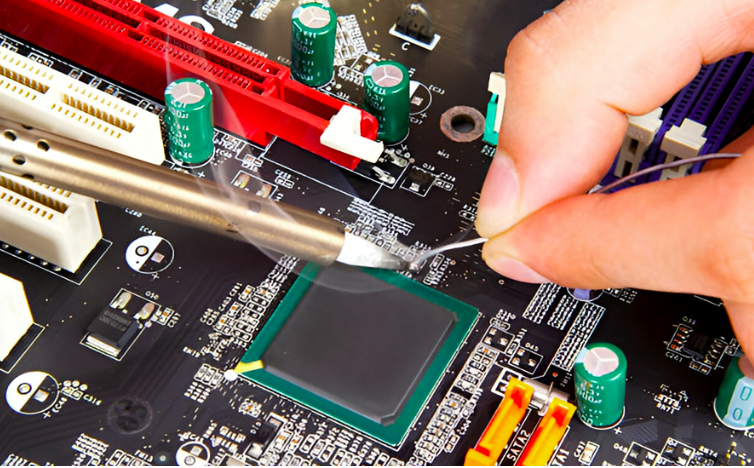
Manual soldering and rework remain important responsibilities for many PCB assembly technicians. While automated soldering systems perform most production soldering operations, certain applications require skilled manual intervention.
Technicians may solder specialized components, repair defective solder joints, replace damaged parts, or perform modifications to prototype assemblies. These tasks require excellent hand-eye coordination and a deep understanding of soldering techniques.
Proper soldering is essential because solder joints provide both electrical connectivity and mechanical support. Poor soldering practices can result in intermittent connections, electrical failures, or reduced product reliability. For this reason, many technicians receive specialized training in industry-standard soldering methods and quality requirements.
Quality Control and Inspection Responsibilities
Quality assurance is one of the most important aspects of a PCB assembly technician’s role. Technicians use various inspection methods to verify assembly quality and detect defects before products are shipped to customers.
Automated Optical Inspection systems are commonly used to identify component placement errors, polarity issues, and soldering defects. Technicians may review inspection results and determine whether corrective action is required.
X-ray inspection is often used for advanced electronic assemblies containing Ball Grid Arrays and other components with hidden solder joints. Technicians may assist in evaluating X-ray images and identifying potential manufacturing concerns.
By participating in inspection and quality control activities, technicians help maintain consistent manufacturing standards and reduce defect rates.
Career Opportunities for PCB Assembly Technicians
The demand for skilled PCB assembly technicians continues to increase as electronics manufacturing expands worldwide. Opportunities exist in a wide range of industries, including consumer electronics, telecommunications, healthcare, aerospace, defense, industrial automation, and automotive manufacturing.
Entry-level technicians often begin by supporting assembly operations and inspection activities. With experience and additional training, they may advance into roles involving process engineering, quality management, equipment maintenance, or production supervision.
Because electronic products continue to evolve and become more sophisticated, skilled technicians remain valuable contributors to manufacturing success. Continuous learning and technical development can lead to long-term career growth within the electronics industry.
Future Trends Affecting PCB Assembly Technicians
The role of the PCB assembly technician is evolving alongside advances in manufacturing technology. Automation, artificial intelligence, and smart factory systems are changing how production facilities operate.
Modern technicians increasingly interact with automated inspection systems, data-driven manufacturing platforms, and advanced production equipment. Rather than replacing technicians, these technologies enhance their ability to monitor processes, identify issues, and improve manufacturing efficiency.
As miniaturization, high-density circuit designs, and advanced electronic packaging technologies continue to develop, technicians will need to expand their technical knowledge and adapt to new manufacturing challenges.
Conclusion
A PCB assembly technician plays a vital role in ensuring the quality, reliability, and efficiency of modern electronics manufacturing. From supporting assembly operations and performing inspections to troubleshooting defects and conducting repairs, these skilled professionals contribute directly to product performance and customer satisfaction. Their expertise helps manufacturers maintain high production standards across industries such as telecommunications, healthcare, aerospace, industrial automation, and automotive electronics. As manufacturing technologies continue to advance, the demand for knowledgeable and adaptable technicians will remain strong. Companies involved in advanced electronics production, including China Automotive PCB Assembly projects, depend on experienced PCB assembly technicians to deliver reliable products and support long-term manufacturing success.
