There was a time when “extreme fitness” meant running a marathon or completing a triathlon. Today, thousands of everyday athletes are setting their sights considerably higher — literally. Whether it’s preparing for a high-altitude trek, chasing a personal record on a mountain trail, or simply building cardiovascular endurance that translates into everyday life, altitude-inspired training has moved from the fringes into mainstream fitness culture. And it’s changing the way people think about what their bodies are truly capable of.
Why Altitude Training Works for Ordinary Fitness Enthusiasts
Altitude training was once the exclusive domain of elite marathon runners and professional cyclists. The science behind it is straightforward: at higher elevations, the air contains less oxygen per breath, which forces your cardiovascular system to work harder and, over time, adapt. Your body produces more red blood cells, your lungs become more efficient, and your muscles learn to operate with less oxygen available.
But here’s the thing — you don’t need to live at altitude to benefit from these principles. Structured aerobic training that simulates the physiological demands of altitude, combined with progressive endurance work, can produce many of the same adaptations. Gyms offering hypoxic training chambers have grown significantly in popularity, and coaches are increasingly building “altitude-inspired” programmes for clients who have absolutely no intention of climbing a mountain.
Though, of course, some of them change their minds once they start seeing results.
The Mountain Mindset and What It Teaches Us About Goals
One of the most underappreciated aspects of altitude training isn’t physical at all — it’s psychological. Training for something that feels genuinely daunting reshapes how you approach smaller, day-to-day fitness challenges. The mental architecture you build preparing for a serious climb carries over into every other pursuit.
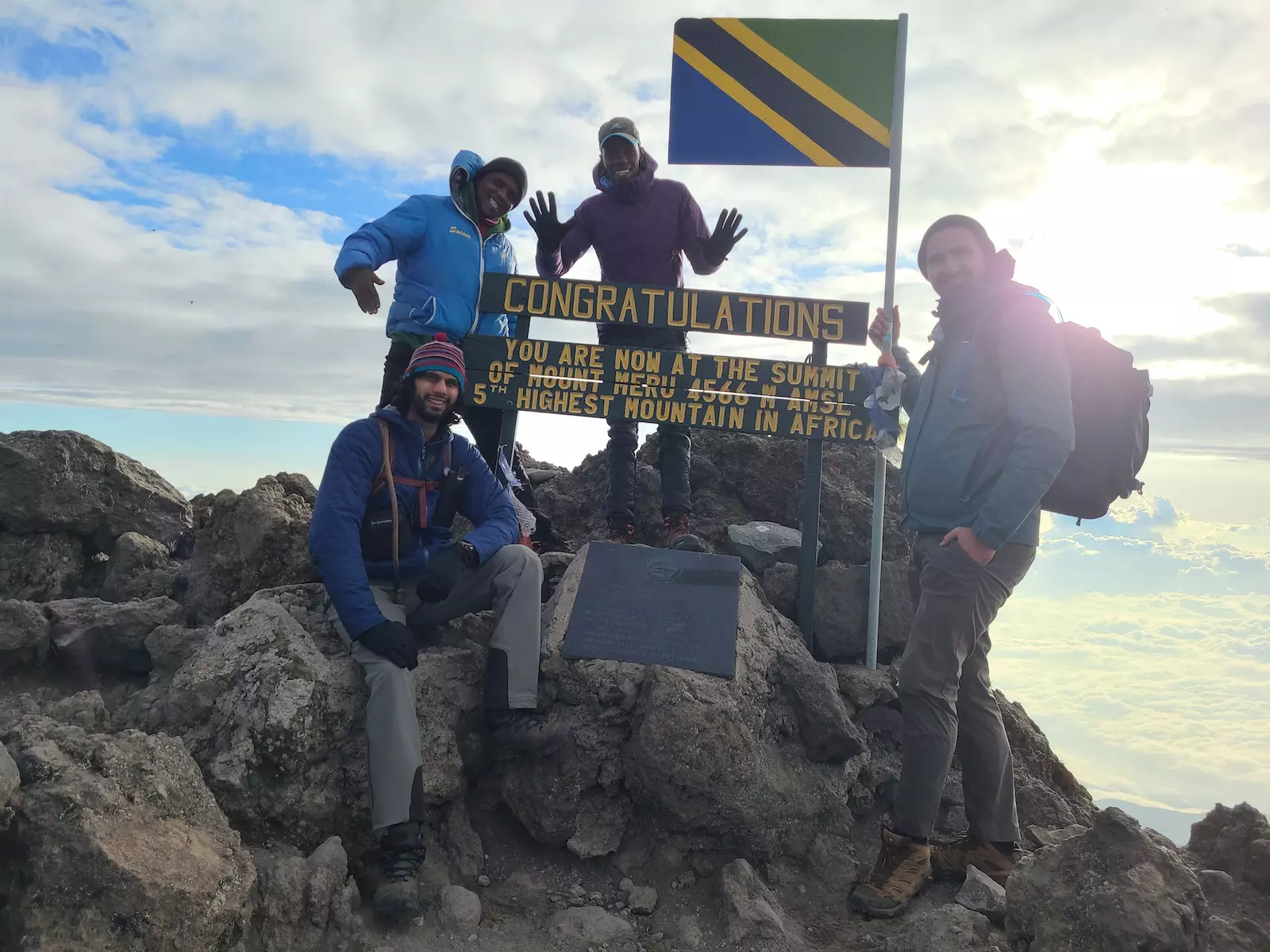
This is why so many fitness coaches now encourage their clients to pick a “big goal” — something that sits just beyond what feels comfortable. For many, that means committing to something like a Everest Base Camp trek, which demands months of sustained preparation, cardiovascular conditioning, and mental resilience. The training required isn’t just about getting fit; it’s about learning to move purposefully through discomfort, day after day.
That process — the sustained, deliberate effort over months — is exactly what produces lasting fitness transformation. The mountain becomes a teacher.
What Kilimanjaro Reveals About Human Performance
Of all the world’s great peaks, Kilimanjaro holds a particular fascination for fitness enthusiasts. It’s Africa’s highest point, yet technically accessible to non-climbers. But “accessible” doesn’t mean easy, and serious athletes have begun exploring what Kilimanjaro can reveal about the outer limits of human performance.
A striking example is John Rees-Evans, founder of Team Kilimanjaro, who in July 2026 is attempting a Kilimanjaro speed record. What makes his attempt especially remarkable is the starting point: not the conventional trailhead, but the mountain’s true geographic base at 777 metres above sea level — meaning he’ll cover the full 5,105 metres of vertical gain to Uhuru Peak. It’s the kind of attempt that reminds us just how much headroom exists between “completing a challenge” and genuinely pushing the boundaries of what’s possible.
For everyday fitness enthusiasts, this sort of endeavour isn’t about imitation — it’s about inspiration. Watching someone commit wholly to a physical challenge at that scale has a way of quietly recalibrating your own sense of what’s achievable.
Building Your Own Altitude-Inspired Training Plan
You don’t need to book a flight to Tanzania to start benefiting from this philosophy. Here are some practical ways to bring altitude-inspired principles into your regular training:
1. Prioritise Zone 2 cardio. Long, steady aerobic efforts at a conversational pace build the aerobic base that altitude training depends on. Aim for three to four sessions per week of 45–75 minutes at low intensity.
2. Train with elevation when you can. Hill walking, stair repeats, and incline treadmill sessions all force your cardiovascular system to adapt in ways that flat-surface training simply doesn’t replicate.
3. Set a goal that requires preparation. The accountability that comes from having a booked trek or race transforms your training. Vague fitness goals produce vague results.
4. Respect recovery. Altitude athletes understand that adaptation happens during rest, not during effort. Build adequate recovery into your plan rather than treating it as optional.
The Bigger Picture
What altitude training — and mountain challenges more broadly — ultimately teach us is that fitness is not a destination. It’s an ongoing relationship between effort, adaptation, and ambition. Whether you’re working towards a personal best on your local hill or preparing for a once-in-a-lifetime trek, the principles are the same: train consistently, set goals that stretch you, and never underestimate the body’s remarkable capacity to rise to the occasion.
The summit, whatever yours looks like, is worth the climb.
