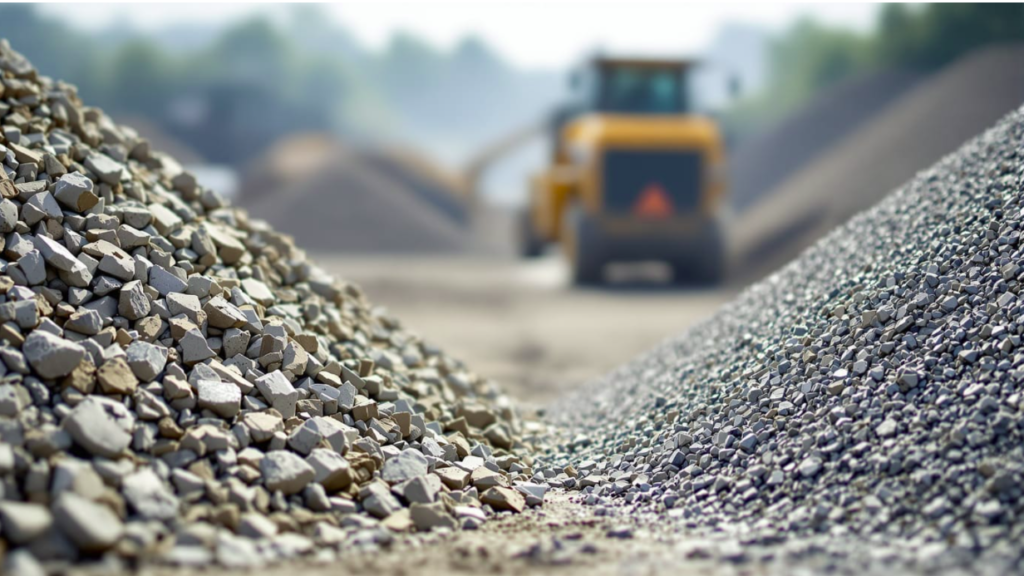
For contractors, dump sites can create ongoing costs, scheduling delays, and logistical challenges on projects that generate concrete, asphalt, brick, block, or other heavy debris. On-site concrete crushing reduce the need for repeated hauling, and turn construction waste into usable material for future project needs.
Many contractors rely heavily on dump sites because debris has to go somewhere after demolition, removal, or site clearing work. However, every trip to a dump site can add expenses for trucking, fuel, labor, disposal fees, and lost crew time. By using crushing equipment on the job site, contractors can reduce dump site costs while keeping more control over how material is handled.
Why Dump Site Dependence Hurts Contractor Profitability
Dump sites may be necessary for some materials, but using them as the default option for every project can cut into profits. Heavy construction debris often requires multiple truckloads, and each load can involve disposal fees, transportation costs, and time away from productive work.
When crews are waiting for trucks to return, production may slow down. When dump sites are far from the job site, fuel and labor costs rise even more. In busy markets, dump site lines, traffic, or limited operating hours can also affect project timelines.
This is why many contractors look for ways to recycle more material directly on site. The less material that leaves the job, the fewer outside costs contractors may have to manage.
How On-Site Crushing Changes the Process
On-site concrete recycling gives contractors a more efficient way to handle broken concrete and similar materials. Instead of loading debris, hauling it away, paying to dump it, and then buying aggregate later, contractors can crush usable material where it is generated.
This process can be especially valuable on demolition, excavation, paving, utility, and site prep projects. Concrete slabs, sidewalks, curbs, driveways, parking lots, and asphalt surfaces can often produce material that may be reused after crushing.
A Rebel Crusher for contractors can support this workflow by helping crews turn bulky debris into smaller material that may be used for base, backfill, construction entrances, driveway preparation, or other non-decorative applications depending on project requirements.
Turning Waste into Reusable Material
One of the biggest advantages of using a portable construction waste crusher is the ability to turn job site debris into a resource. Crushed concrete, asphalt, brick, block, and stone may be reused in many practical ways, depending on cleanliness, size, and local specifications.
For example, crushed concrete may be used as a base layer for driveways, parking areas, roadbeds, and building pads. Crushed asphalt may be used in certain road or surface preparation applications. Brick and block may be useful as fill or base material in appropriate situations.
This approach helps contractors get more value from material that would otherwise be treated as waste.
Reducing Hauling and Transportation Needs
Every truckload sent to a dump site costs money. Contractors must account for driver time, fuel, truck wear, insurance, scheduling, and disposal charges. If new aggregate has to be brought back to the job, the cost can double because material is moving out and coming back in.
Construction debris recycling can reduce this cycle. By crushing and reusing material on site, contractors may need fewer truck trips and fewer aggregate deliveries. This can be especially helpful on remote job sites, urban projects with limited access, or jobs where trucking costs are high.
Less hauling can also make project coordination easier. Crews can spend more time working and less time waiting on outside transportation.
Improving Job Site Control
Contractors often face delays when they depend on outside facilities or suppliers. Dump sites may have limited hours, long wait times, weight restrictions, or changing fees. Aggregate suppliers may have delivery delays or minimum order requirements.
With on-site recycling, contractors gain more control over material flow. They can process debris as the project progresses and use recycled material when needed. This can help keep jobs moving, especially when timelines are tight.
A portable crusher can also give contractors more flexibility across multiple projects. Instead of sending all debris away, they can decide which material should be recycled, reused, stockpiled, or removed.
Supporting More Sustainable Construction
Reducing dump site dependence is not only about cost savings. It can also support more sustainable construction practices. Recycling concrete, asphalt, brick, and block helps keep usable material out of landfills and reduces demand for newly quarried aggregate.
Many property owners, municipalities, and developers are paying more attention to waste reduction and recycling. Contractors who can offer construction debris recycling may be better positioned for projects where sustainability is part of the selection process.
This can help contractors stand out from competitors that still rely only on haul-off and disposal.
When a Crusher Makes the Most Sense
A crusher may make the most sense for contractors who regularly handle heavy recyclable materials. If a company frequently removes concrete, asphalt, brick, block, or stone, the savings from reduced hauling and disposal may add up over time.
Contractors should review how much debris they generate, how much they spend on dump sites, how often they buy aggregate, and whether recycled material can be used on their projects. These numbers can help determine whether owning or renting crushing equipment is the better option.
The strongest value often comes when contractors can crush material and reuse it on the same job. In that situation, they may reduce both disposal costs and new material purchases.
Final Thoughts
Dump sites will still be necessary for some types of waste, especially contaminated or non-recyclable material. However, contractors do not have to rely on them for every load of concrete, asphalt, brick, block, or stone.
By using a portable crusher and adopting on-site concrete recycling practices, contractors can reduce dump site costs, lower hauling needs, reuse more material, and gain better control over their projects. For companies looking to improve margins and operate more efficiently, reducing dump site dependence can be a smart step toward a stronger, more flexible business.
