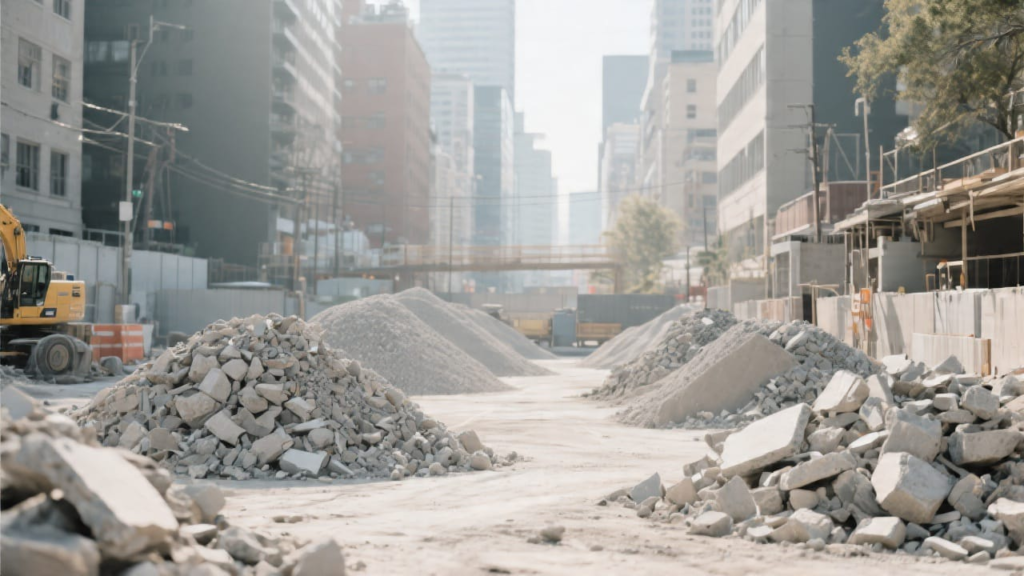
Road construction projects demand consistency, efficiency, and high-quality materials. At the center of this process is the rock crusher, a critical tool that transforms raw stone and recycled materials into usable aggregate. Whether you’re building highways, local roads, or temporary access routes, understanding rock crushing for road construction is essential for delivering durable and cost-effective results.
In this guide, we’ll break down best practices, equipment setup, and how to optimize your operation from start to finish.
Why Rock Crushing Is Essential for Road Construction
Roads rely on multiple layers of aggregate, each with specific size and compaction requirements. Producing these materials on-site or nearby offers significant advantages.
Key benefits:
- Lower material costs
- Reduced transportation expenses
- Faster project timelines
- Better control over material quality
The road base material crushing process ensures that the final product meets engineering standards for strength and durability.
Understanding the Road Base Material Crushing Process
The foundation of any road is only as strong as the materials used. The road base material crushing process involves several stages to produce consistent and reliable aggregate.
1. Material selection
Common materials include:
- Natural rock (limestone, granite)
- Recycled concrete
- Asphalt
Each material has different crushing characteristics and end-use applications.
2. Primary crushing
Large rocks or chunks of material are broken down into smaller pieces. This is typically done using a jaw crusher.
3. Secondary crushing
Material is further reduced to achieve the desired size. Impact or cone crushers are often used at this stage.
4. Screening
Crushed material is sorted into different sizes for specific layers of road construction.
5. Stockpiling or direct use
Final products are either stored or used immediately on-site.
This structured process ensures consistency and quality across the entire project.
Choosing the Right Equipment
Selecting the right machinery is critical for efficient rock crushing for road construction.
For projects requiring precise traffic coordination alongside material preparation, services like https://trafficflowtm.co.uk/location/chester/ can play a vital role in ensuring both safety and efficiency on active road construction sites.
Key equipment components:
- Primary crusher (jaw or impact)
- Secondary crusher
- Screening plant
- Conveyors and feeders
Using the right equipment for road construction crushing ensures smooth workflow and consistent output.
Mobile vs Stationary Crushing Setups
One of the most important decisions is whether to use mobile or stationary equipment.
Mobile crushing setup
A mobile rock crusher for road projects offers flexibility and efficiency, especially for projects that move along a route.
Advantages:
- Easy relocation between sections of the project
- Reduced hauling costs
- Faster setup
Stationary crushing setup
Best suited for large, long-term projects with high material demand.
Advantages:
- Higher production capacity
- More stable operation
- Ideal for centralized processing
Choosing between these options depends on project size, duration, and location.
Best Practices for Efficient Crushing Operations
Efficiency is key to keeping road construction projects on schedule and within budget.
1. Optimize material flow
Ensure a smooth transition from raw material to finished product.
- Position equipment strategically
- Minimize material handling
- Avoid bottlenecks
2. Match crusher type to material
Different materials require different crushing methods.
- Hard rock: jaw or cone crushers
- Softer materials: impact crushers
This improves efficiency and reduces wear.
3. Maintain consistent feed size
Uniform input material helps maintain stable output and prevents equipment strain.
4. Monitor output quality
Regularly check material size and consistency to meet road construction standards.
5. Perform regular maintenance
Keeping equipment in top condition prevents downtime and ensures consistent performance.
How to Crush Aggregate for Roads Properly
Knowing how to crush aggregate for roads is essential for producing high-quality material.
Key considerations:
- Desired size and gradation
- Compaction requirements
- Moisture content
- Load-bearing capacity
Proper crushing and screening ensure that the aggregate meets engineering specifications for each layer of the road.
Workflow Optimization on Road Projects
Efficient workflow is critical for large-scale road construction.
Typical workflow:
- Raw material is delivered or sourced on-site
- Primary crushing reduces size
- Secondary crushing refines material
- Screening separates sizes
- Material is transported to the construction area
Using a mobile rock crusher for road projects can streamline this process by keeping production close to where the material is needed. For projects in specific regions, integrating localized traffic management planning such as https://trafficflowtm.co.uk/location/west-midlands/ can further improve site access, logistics coordination, and overall operational efficiency.
Cost Considerations
Rock crushing is a major part of project costs, but it also offers opportunities for savings.
Cost factors:
- Equipment purchase or rental
- Fuel or energy consumption
- Maintenance and wear parts
- Labor
Cost-saving strategies:
- Use on-site crushing to reduce hauling
- Recycle existing materials
- Optimize equipment utilization
Efficient use of equipment for road construction crushing can significantly improve project profitability.
Environmental Benefits
Sustainability is becoming increasingly important in construction.
Benefits of on-site crushing:
- Reduced transportation emissions
- Lower landfill usage
- Conservation of natural resources
- Support for recycled materials
These practices align with modern construction standards and regulations.
Common Challenges and Solutions
Even with the right setup, challenges can arise.
Challenge: Material variability
Solution: Adjust crusher settings and screening processes.
Challenge: Equipment downtime
Solution: Implement regular maintenance schedules.
Challenge: Limited space
Solution: Use compact or mobile equipment.
Challenge: Inconsistent output
Solution: Monitor and adjust feed rates and crusher configuration.
Addressing these issues ensures smooth operation throughout the project.
Real-World Application
Consider a road construction project that requires thousands of tons of base material.
Without on-site crushing:
- High transportation costs
- Delays due to material delivery
- Limited control over quality
With on-site crushing:
- Immediate material availability
- Lower costs
- Improved efficiency
This highlights the importance of proper rock crushing for road construction practices.
Planning for Long-Term Success
Successful contractors look beyond individual projects and focus on long-term efficiency.
Key strategies:
- Invest in versatile equipment
- Train operators thoroughly
- Standardize processes across projects
- Continuously evaluate performance
These steps ensure consistent results and improved profitability over time.
Final Thoughts
Rock crushing is a cornerstone of modern road construction. By understanding the road base material crushing process, selecting the right equipment for road construction crushing, and applying best practices, contractors can deliver high-quality roads efficiently and cost-effectively.
Whether you’re using a mobile rock crusher for road projects or a stationary setup, the key is optimizing your workflow and maintaining consistent output.
Knowing how to crush aggregate for roads is not just a technical skill – it’s a strategic advantage that can set your business apart.
With the right approach, your crushing operation becomes a powerful tool for success in road construction.
