Key Takeaways
- Mountain living can enhance physical and mental well-being, thanks to inspiring natural surroundings and a culture that embraces outdoor living.
- Homes in mountainous areas typically provide easy access to various outdoor activities, helping residents adopt healthier, more active routines.
- Immersion in natural environments and belonging to a strong community are powerful stress reducers that boost happiness and life satisfaction.
- Many mountain homes incorporate sustainable, energy-efficient features that benefit the environment and the homeowner’s health.
- Thoughtful consideration of mountain property location, design, and community can maximize the wellness benefits of high-altitude living.
The Relationship Between Natural Landscapes and Wellness
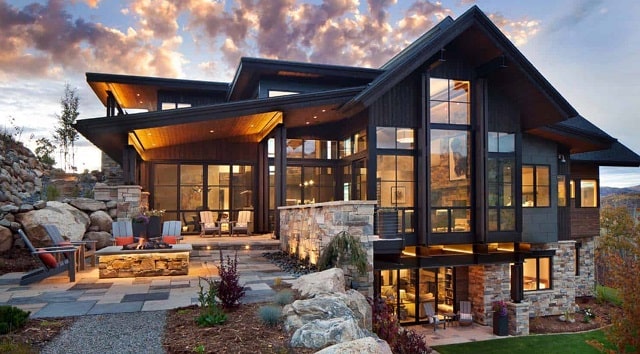
Life in the mountains brings people closer to the rhythms and beauty of the natural world. Rather than a distant view or an infrequent weekend treat, mountain scenery becomes a daily companion—visible from kitchen windows, bedroom balconies, and even patios with cozy fire pits. Even brief, routine exposure to greenery, mountain vistas, or forested trails offers immediate and long-lasting benefits. For example, many individuals who purchase properties featured among Park City Homes for Sale report that the proximity to expansive open spaces enhances their daily experience and outlook on life.
There is robust scientific backing for the mental health advantages of living in or near nature. Research like that reviewed by Nature.com confirms that individuals who spend regular time in green spaces typically experience reduced cortisol levels, the body’s primary stress hormone. Not only does nature immersion help mitigate anxiety and symptoms of depression, but it often results in improved sleep quality, increased concentration, and a stronger sense of life satisfaction. This evidence makes a compelling case for choosing a home where unspoiled landscapes are woven into everyday life.
Encouraging an Active Outdoor Lifestyle
In mountain regions, outdoor activity seamlessly blends into routine life. Hiking, trail running, mountain biking, and skiing become more than recreation—they become habits, spontaneous after-work escapes, and cherished weekend traditions. Children in such environments often develop early confidence in their mobility and physical strength, while adults can maintain fitness in ways that feel like play rather than obligation. The abundance of opportunities outside the front door is a strong motivator to stay, rain, snow, or shine.
Regular engagement with these kinds of activities has essential health outcomes. Evidence highlighted in the Outside Online article on mental health benefits of nature indicates that people who spend time outdoors typically have stronger immune systems, lower blood pressure, and reduced risks for chronic conditions such as heart disease and type 2 diabetes. Additionally, outdoor activity supports healthy weight management and can contribute to improved cognitive performance, demonstrating that mountain living supports the whole person, from body to mind.
Building Resilience Through Challenging Environments
The mountain environment is dynamic, with changing seasons and weather creating challenges and opportunities. Adapting to heavy snowfall in winter, unpredictable spring storms, or cooler nights year-round means developing new skills, like managing snow removal, fortifying homes against the elements, and preparing supplies for seasonal transitions. These experiences may feel daunting for newcomers, but they foster heightened self-sufficiency and adaptability.
Over time, resilience often transcends daily chores. Individuals and families who embrace the mountain lifestyle become adept at troubleshooting, planning, and creatively solving everyday problems. Whether repairing a ski boot before a powder day or preparing for a power outage, the lessons learned are practical and often build lasting confidence. These skills transfer to other life areas, making mountain residents adaptable and resourceful, no matter where life leads them.
Community Life and Connection
Mountain communities are renowned for their strong sense of togetherness. New residents are often surprised at the ease with which they can join neighborhood potlucks, local fundraisers, or group outings. The geographic closeness and shared passion for outdoor adventure encourage frequent interaction and deepen social bonds quickly. Small towns might offer fewer entertainment options, but the trade-off is a culture where people look out for one another and promptly lend a helping hand or share advice on the best hiking trails.
Having a supportive network is a well-documented buffer against stress and illness. Regular positive interaction, passing a neighbor on a morning trail walk or participating in a community festival, fosters a greater sense of trust and well-being. People with strong community ties are shown to experience lower rates of depression and can even enjoy longer, healthier lives. For those who value meaningful relationships, mountain living provides fertile ground for new friendships and positive connections.
Designing Mountain Homes for Wellness
Mountain homes are often designed with both function and wellness in mind. Architects and builders capitalize on natural light and breathtaking views by maximizing window space, using local materials that reflect the landscape’s colors and textures, and creating seamless transitions between indoor and outdoor spaces. Incorporating features like wood-beamed ceilings, stone fireplaces, or expansive decks enhances aesthetics and helps residents stay connected to their beautiful surroundings even when inside.
- Functional mudrooms with room for boots, skis, and outdoor gear help keep living spaces clean and organized, easing the transition in and out of the house.
- Home saunas, hot tubs, or steam rooms provide rejuvenating spaces for post-adventure relaxation and muscle recovery—ideal for maintaining physical health and promoting relaxation.
- Multi-season patios and covered decks extend outdoor time, allowing for meals, reading, or gatherings while protected from wind or snow.
By designing homes that encourage regular exposure to fresh air, sunshine, and natural views, residents gain continual reminders of the mountain’s restorative power, which serves both practical purposes and holistic well-being.
Clean Air and Natural Light
One of the greatest assets of a mountain environment is its air quality, thanks to higher elevations and decreased proximity to crowded highways or industrial centers, many mountain homes enjoy significantly cleaner air than those in more urbanized settings. The cool, crisp air often feels invigorating, making door exercise even more enjoyable. Many residents report improved respiratory health and fewer allergy symptoms after moving to higher elevations.
Natural sunlight is also beneficial in most mountain locations, helping to regulate circadian rhythms, boost vitamin D levels, and stave off seasonal mood shifts. Architects often orient homes for maximum sun exposure, with skylights, large windows, and open living areas that fill with light throughout the day. Research has shown that sunlight not only lifts mood but also improves focus and productivity, making the home an inspiring space for relaxation and remote work.
Tips for Choosing a Mountain Home
- To make spontaneous outdoor adventures as convenient as possible, prioritize homes that offer direct access to trails, parks, or forests.
- Seek properties equipped with sustainable and energy-efficient systems such as high-efficiency wood stoves, solar panels, or advanced insulation—these details add up over time.
- Pay attention to the home’s layout; dedicated mudrooms, gear closets, and ample outdoor storage support an active lifestyle and simplify daily routines.
- Research the local calendar for events and clubs—community involvement is as vital to well-being as physical health.
- Check the region’s air quality indices to ensure a healthy environment, especially if you or your family have respiratory concerns.
The Lasting Value of Mountain Living
Choosing a mountain home isn’t just a change in scenery—it’s a commitment to a healthier, more vibrant way of life. The unique blend of physical activity, clean air, strong community, and restorative landscapes offers countless benefits for mind and body alike. Ongoing research affirms how living in nature-rich environments like the mountains supports emotional resilience and promotes more profound daily pleasure. For those craving both tranquility and adventure, mountain living delivers the best of both worlds—opening the door to a future filled with wellness, camaraderie, and the enduring beauty of the outdoors.
