Table of Contents
- Why Brain Health Matters
- Daily Habits for Cognitive Wellness
- Nutrition and Brain Function
- The Role of Exercise
- Managing Stress for Clear Thinking
- Sleep and Memory Connection
Why Brain Health Matters
The importance of brain health extends far beyond the ability to remember names or solve puzzles. Maintaining cognitive wellness is deeply connected to preserving independence, emotional well-being, and quality of life as individuals age. Taking care of the mind allows people to adapt to change, learn new skills, and confidently tackle everyday challenges. In everyday life, even a slight decline in cognitive function can impact one’s routine, from keeping track of appointments to understanding new technology or enjoying hobbies.
It’s never too late—or too early—to start nurturing your mind. Regular check-ins with neurologists can offer valuable assessments and individualized strategies to keep cognitive abilities sharp. Specialists underscore the power of preventive action, noting that brain health is not fixed but instead can be bolstered through consistent, positive lifestyle choices. Ongoing studies confirm that aging does not predetermine a steep decline in cognitive skills. Rather, people focusing on mental activities, social engagement, and physical health often experience lasting mental strength and an enduring zest for life.
Daily Habits for Cognitive Wellness
Incorporating healthy routines into daily life does not require drastic changes; small, steady shifts increase over time. Simple acts—like reading a newspaper, engaging in crosswords, or even learning a new language—activate different brain regions, creating new neural connections and avoiding mental stagnation. These acts support cognitive performance and build a sense of accomplishment and mental agility that can be noticed in daily tasks, from remembering phone numbers to making quick calculations.
- Read for pleasure or to learn something new, aiming for at least 15 minutes each day.
- Tackle logic puzzles, Sudoku, or memory games that stretch your problem-solving skills.
- Sign up for online or in-person courses to stimulate intellectual curiosity.
- Reduce passive screen time and substitute some of it with outdoor walks. These can calm the mind while providing a healthy change of scenery.
- Hydrate consistently throughout the day and choose balanced, nourishing foods.
Studies suggest healthy daily habits build cognitive reserve, protecting the brain against decline despite age-related changes.
Nutrition and Brain Function
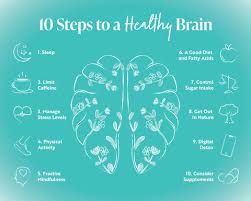
Nutrition is crucial for cognitive health, as the brain uses 20% of the body’s energy. Whole foods rich in colorful fruits, vegetables, nuts, seeds, legumes, and fish provide essential nutrients for neural health and protection against age-related decline. Deficits in B vitamins and vitamin D can lead to forgetfulness and neurodegenerative conditions. Swapping refined snacks for brain-boosting options, such as walnuts or carrots, supports cognitive function and overall wellness. Eating with intention and balance is essential for brain thriving.
The Role of Exercise
Physical exercise is a powerful tool for enhancing cognitive health, as it increases blood flow to the brain, providing vital oxygen and nutrients for memory and reasoning. Adults should engage in at least 150 minutes of moderate physical activity weekly to support muscle and heart health. Regular exercise can improve mood, reduce anxiety, and enhance concentration on complex tasks. Even modest activities like walking or light stretching contribute to these positive changes.
Managing Stress for Clear Thinking
Due to elevated stress hormones, high stress can negatively impact focus, creativity, and intuition. Techniques like mindfulness meditation, focused breathing, and progressive muscle relaxation can help manage stress and restore clarity. Regular stress-management routines, such as meditation or deep breaths, can recalibrate the nervous system, reduce stress, and promote resilience, promoting balanced thinking through daily life challenges.
Sleep and Memory Connection
Sleep is far more than rest; it’s an active process where the brain consolidates memories, processes emotions, and clears harmful waste. Most adults need between 7-9 hours per night, and missing out on this deep rest can lead to poor concentration, trouble making decisions, and irritability.
- Craft a bedroom environment that is cool, dark, and free from electronics.
- Avoid caffeine and heavy meals close to bedtime; opt for calming herbal teas or gentle stretching in the evening.
- Establish a consistent sleep-wake schedule, even on weekends, to help regulate your internal clock.
- Try relaxing activities—reading, meditative music, or journaling—to signal to your mind that it’s time to unwind.
Those who prioritize restorative sleep consistently notice sharper memories, improved mood, better immune health, and enhanced focus for work and learning.
