The Bridge Between Language and Culture
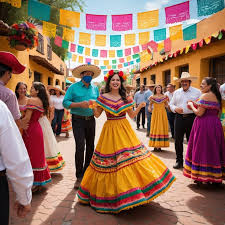
For language lovers who are eager to study Spanish, language and culture go hand in hand. Besides books, cultural events and festivals provide a great opportunity to see language in its natural usage. These experiences allow students to see real-life interactions—greetings, humor, and authentic interactions—that bring language to life and make grammar and vocabulary more memorable through real-life associations.
Across the Spanish-speaking continent holidays celebrated in Hispanic countries range from spiritual processions to vibrant street carnivals and each offers a glimpse of their beliefs, values, and hopes. Spanish students learn more than some phrases—they learn rhythms of laughter, beats of music, and century-old habits. Extensive exposure exposes to students the logic behind language, and they are more effective communicators who are better at deciphering mood and intent behind language, along with their dictionary definition.
Practical Lessons Learned from Festivities
Language acquisition draws upon real-life situations surrounding holiday celebrations as a method of bringing about spontaneous speech production. The holiday rush offers native-sounding language practice through tasks ranging from negotiating for sweets through stalls at street markets to classic greeter practice. Research reveals that emotions-driven learning exercises are more successful for word and phrase retention over rote-learning exercises.
By participating in Spain’s Feria de Abril and Mexico’s Día de la Independencia festivals, students are part of active debates and recreational events. By participating in such events, students learn real native speech and dancing movements and fine-tune language fluency. Celebratory holidays are forums where parties and feasts and music help students learn words that add to their responses and language awareness.
Unique Vocabulary Gained During Holidays
Spanish holidays add new vocabulary and cultural references that are not found in regular study materials. Celebrating Día de los Reyes Magos adds real-world vocabulary such as “roscón” (sweet bread), “cabalgata” (parade), and “regalos” (gifts) to life as townspeople are celebrating. The procession of Holy Week during Semana Santa adds vocabulary such as “procesión,” “Nazareno,” “Palma,” and “penitente” that describe sacred ritual and symbolism. The context of these words during parades, feasts and altars assists students in better understanding these through association with their personal lives.
Building Bonds Through Shared Traditions
Participation in revered traditions builds stronger community bonds than anything else. Language learners who participate in Spanish holiday activities like making tamales during Las Posadas and decorating skulls during Día de los Muertos reveal their real cultural interest. They create meaningful discussions that create strong friendships that evolve into life-altering experiences that boost confidence while building lasting Spanish cultural ties.
Raising Awareness Through Celebration
All holidays are not for celebration but for remembrance and reflection as well. For everyone, their initial exposure to Día de los Muertos is a life-changing experience. The celebration is a very vibrant one with music, food, flowers, and offerings to those who departed before their time, debunking stereotypes and having personal acquaintance with death and life in Latin America and Spain.
Social studies demonstrate that holidays can cultivate empathy, alter perceptions, and teach about respect for differences. Through holiday histories and traditions studied during language courses, students internalize for themselves a personal sense of others’ complexity. Such cultural literacy is invaluable both personally and professionally because it often makes a difference for relationships.
A Global Perspective Through Spanish Holidays
Spanish is the official or dominant language of over 20 countries in Spain, Latin America, Africa, and Asia, each with its distinct celebration. For example, Spain’s energetic La Tomatina, Peru’s magnificent Semana Santa, and Guatemala’s exquisite flower carpets are a few events that show differences and similarities in localized festivals and large events and teach language students crucial lessons in adaptability to cultures. The study of such events makes students learn intercultural competencies as basic as grammar and vocabulary in the contemporary age of globalization.
