
Table of Contents
- Introduction
- Economic Factors Influencing the Market
- Technological Advancements in Real Estate
- Changing Demographics and Lifestyle Trends
- Sustainability and Energy Efficiency
- Regulatory Changes and Compliance
- Strategies for Buyers and Sellers
- The Role of Real Estate Professionals
- Conclusion
The residential real estate market is at a pivotal crossroads, with trends in economics, technology, and lifestyle fundamentally reshaping buying, selling, and investment strategies. Buyers and sellers face a complex landscape, where understanding these shifts is more vital than ever. Whether navigating affordability concerns or new tech-driven opportunities, consulting local experts, such as West Palm Beach real estate agents, can offer crucial insight and a competitive edge.
Today’s property market is no longer just about location and price—it’s about embracing new models for living, leveraging the latest technology, and responding to shifting regulatory environments. The future of real estate will reward those who can pivot quickly, stay informed, and strategically use new tools and information to advance their interests.
Economic Factors Influencing the Market
Homebuyers are facing historically high hurdles as mortgage rates remain elevated, making affordability a primary concern. In early 2025, average rates hovered around 7%, driving up the required household income to secure a median-priced home to $110,100, compared to $58,400 just a few years prior. These tightening conditions have cooled transaction volumes, while many homeowners feel locked in, unwilling to sell and give up low-rate loans secured earlier. However, experts project that by 2026, rising earnings and a potentially stabilizing market may gradually restore affordability and unlock pent-up demand.
Additionally, wage growth in certain sectors is predicted to outpace home value appreciation in the near future, creating opportunities for new market entrants. Staying updated on local housing indicators and regional economic reports is essential for buyers and sellers to time their moves wisely.
Technological Advancements in Real Estate
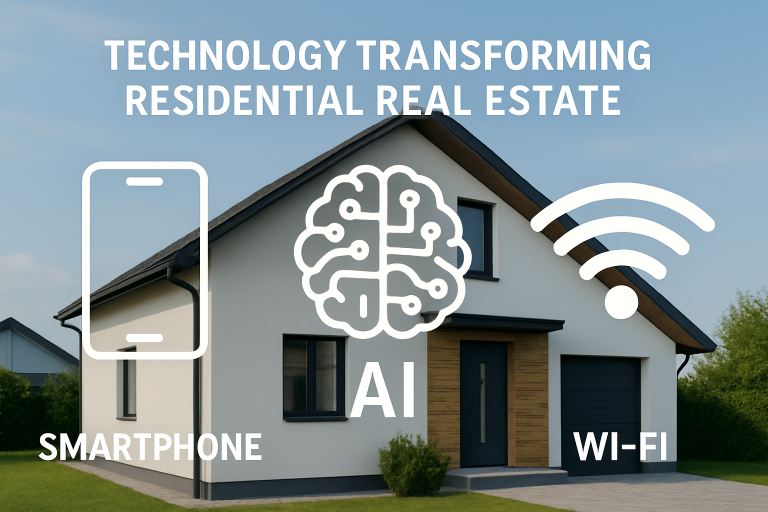
The adoption of artificial intelligence (AI), machine learning, and digital tools is revolutionizing the residential real estate industry. AI-powered valuation models now deliver more precise property appraisals, enabling faster transactions and reducing the traditional friction in negotiations. Meanwhile, virtual home tours, automated scheduling tools, and remote notarization are becoming industry standards, streamlining the buying and selling process. Smart home technology is also transforming consumer expectations, with automated climate control, enhanced security systems, and real-time energy monitoring growing in popularity.
Staying current with the latest digital platforms and innovations enables buyers, sellers, and agents to act quickly and more effectively in a tech-driven market environment.
Changing Demographics and Lifestyle Trends
Millennials and Gen Z have emerged as powerful forces in shaping market demand, but many of them are opting to delay homeownership or opt for long-term renting. Lifestyle preferences—such as flexibility, the desire for amenities, and the prioritization of work-life balance—are fueling demand for build-to-rent communities and innovative housing arrangements. This has prompted developers and investors to focus on flexible layouts, shared spaces, and community-driven environments within residential spaces.
Demographic trends highlight the importance of location, walkability, and proximity to urban amenities for these generations, while downsizing Baby Boomers seek accessibility and low-maintenance living. Developers catering to these evolving demands stand to benefit the most as the market shifts toward these preferences.
Sustainability and Energy Efficiency
Eco-friendly and high-efficiency homes are increasingly sought after, thereby amplifying the value of green certifications such as LEED and Energy Star. Buyers today are prioritizing sustainable materials, energy-efficient appliances, solar installations, and smart water management systems. These features not only help homeowners save on utility bills but also contribute to higher resale values and future-proof investments.
Environmental awareness is also influencing financing and appraisal practices, with some lenders offering incentives for energy retrofits and green upgrades, further making sustainability a key selling point in residential listings.
Regulatory Changes and Compliance
Major regulatory revisions, such as the 2024 National Association of Realtors (NAR) settlement, are introducing unprecedented levels of transparency for buyers and sellers, especially regarding agent commissions and responsibilities. These changes are likely to foster more competition among agents, potentially leading to lower fees, and encourage greater consumer education around service costs. Staying current with local and national regulatory updates enables both homeowners and agents to navigate transactions with confidence.
Strategies for Buyers and Sellers
In an unpredictable market, buyers should prioritize personal financial readiness rather than attempting to time interest rates. Locking in the most favorable rates available, maintaining a strong credit profile, and saving for a significant down payment are proven strategies for success. Conversely, sellers can enhance property values and attract buyers by investing in high-impact renovations and energy-efficient improvements. Presenting a turnkey, eco-friendly property appeals to both traditional and next-generation buyers concerned about environmental impact and cost savings.
The Role of Real Estate Professionals
Today’s agents and brokers need to be agile and technologically savvy, integrating tools like AI-driven CRMs, virtual staging, and advanced digital marketing tactics. Ongoing education in regulatory changes, economic shifts, and evolving consumer preferences is vital. By proactively providing insights and acting as informed advisors, real estate professionals can offer unique value and guidance for clients navigating a dynamic market.
Conclusion
The future of residential real estate is being shaped by a complex interplay of economic realities, technological innovations, demographic shifts, and evolving regulations. Those who stay informed, continue to innovate, and seek expert guidance are best positioned to thrive in this rapidly evolving landscape.
