
Key Takeaways
- Structured cabling offers a standardized approach to network infrastructure, ensuring scalability and reliability.
- It supports the growing demands of technologies such as AI, IoT, and cloud computing.
- Proper implementation can lead to significant cost savings and improved network performance.
In a hyper-connected world, digital infrastructure forms the bedrock of business and personal productivity. At the heart of every reliable and fast communication network lies a well-designed cabling system that keeps data flowing uninterrupted. As more organizations trust new technologies and increase their connectivity demands, robust solutions like network cable system Nashville are shaping the future of digital operations. Efficiently organized cables do far more than neatly bundle wires—they ensure smooth, robust, and scalable operations for years to come.
With the advancement of artificial intelligence, smart devices, and cloud-based platforms, today’s data environments are under greater pressure than ever before. Well-implemented structured cabling addresses these challenges by providing a resilient, adaptable framework. This backbone not only streamlines maintenance and expansion but sets the standard for performance, reliability, and efficiency within any setting.
Understanding Structured Cabling
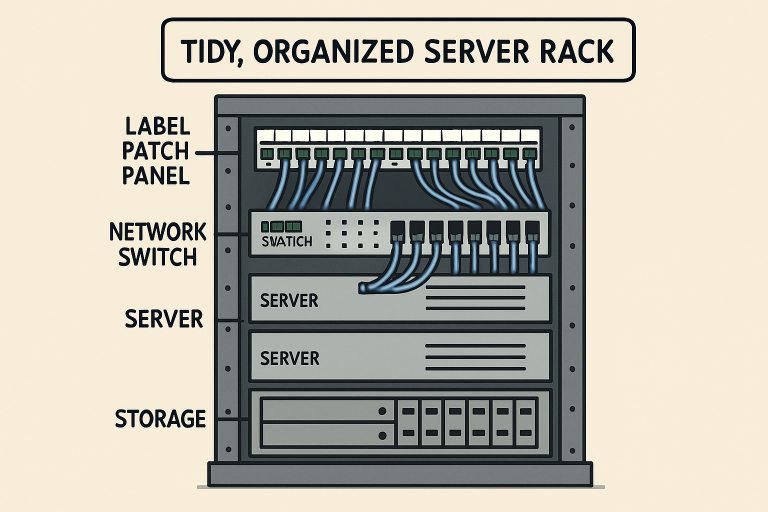
Structured cabling is more than just a collection of cables; it’s a strategic methodology for the physical layer of network design. Unlike outdated point-to-point cabling, which can become unwieldy and complex, structured cabling follows an organized approach, grouping cables into manageable subsystems that are easier to trace, troubleshoot, and expand. This level of organization is fundamental for ensuring business continuity. A properly designed structured cabling setup reduces the risk of downtime caused by tangled wires or unclear labeling. It helps IT teams quickly address potential faults and seamlessly integrate new equipment or upgrades—a necessity as workforce needs and technologies quickly change.
The Role in Modern Businesses
Within the modern enterprise environment, structured cabling underpins applications ranging from VoIP telephony systems to data centers and cloud services. In fact, the demand for IT networks continues to escalate as collaboration tools, virtual office setups, and real-time analytics become commonplace. With structured cabling, organizations benefit from reduced network downtime and fewer operational hiccups. IT staff can quickly pinpoint and resolve problems, thanks to standardized layouts and comprehensive documentation inherent to structured cabling installations. This streamlined troubleshooting means fewer disruptions to critical business processes, leading to higher productivity and more predictable expenses.
Supporting Emerging Technologies
As cutting-edge technologies evolve, so too do their network requirements. The adoption of artificial intelligence, the Internet of Things (IoT), and even augmented reality all require not just fast but exceptionally reliable data transmissions with minimal latency. Structured cabling is engineered to provide broader bandwidth and enhanced support for these future-facing applications, positioning organizations to adapt when demands shift quickly.
Cost Efficiency and Scalability
The cost efficiencies of structured cabling may not be apparent on day one. Still, over the hardware’s lifecycle, businesses routinely realize substantial savings through reduced labor, fewer replacements, and minimized unplanned downtime. Its modular architecture means new network devices or upgrades can be added with minimal disruption, compared to the expensive rewiring required by legacy installations. This scalability is vital for companies operating in dynamic markets or anticipating rapid expansion.
Enhancing Network Performance
Another core benefit of structured cabling is its positive influence on network performance. Organized layouts reduce the risk of electromagnetic interference and improve signal integrity, ensuring swift, reliable data transmission. This reliability is essential for operations that depend on always-on connections—such as point-of-sale systems, smart sensors, or remote access tools. A structured system translates into better data transfer rates, clearer voice/video communications, and stronger cybersecurity postures as everything is streamlined and properly segmented.
Troubleshooting and Future-Proofing
Thanks to logical cable routing and labeling, identifying and fixing troublesome connections or hardware components becomes much faster. Likewise, structured systems inherently support changing technologies, making upgrades to faster switches or different standards less invasive and more cost-effective.
Environmental Considerations
The drive to go green also extends to IT infrastructure. Structured cabling systems promote the use of energy-efficient materials and layouts, supporting broader sustainability goals. Their neat, organized designs improve air circulation and cooling efficiency in equipment rooms, helping reduce overall energy costs. This environmental mindfulness extends to lifecycle management, as easily reconfigurable setups limit e-waste by enabling component re-use and avoiding large-scale overhauls.
Conclusion
Structured cabling forms the vital foundation of all high-performing digital environments. Its capacity to efficiently support current and future technologies, optimize operational costs, and improve network performance is unmatched. As businesses seek to navigate a rapidly shifting digital landscape, investing in structured cabling is a strategic move that unlocks agility, scale, and resilience.
